Getting Ready for Hunting Season
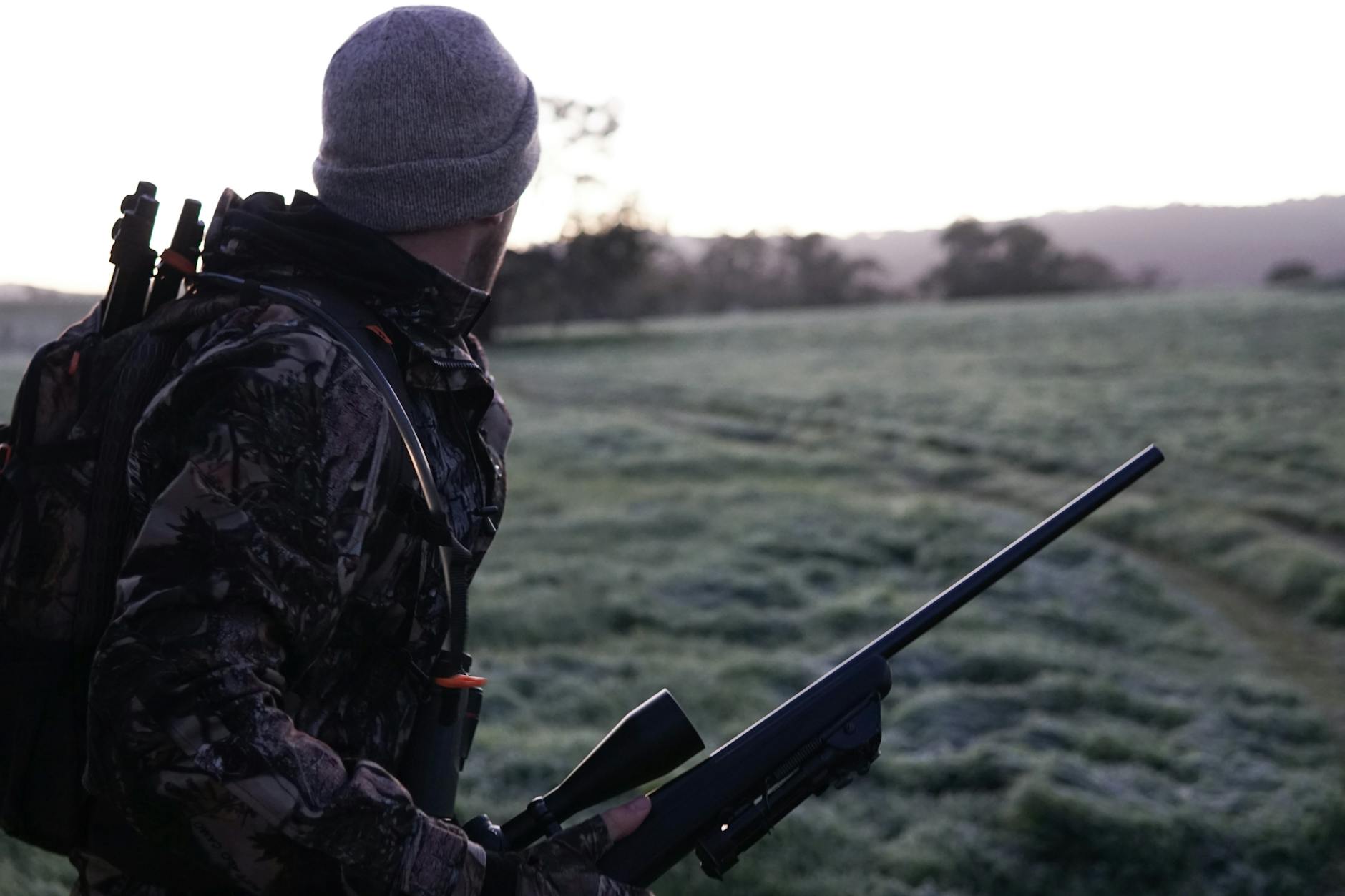
As the crisp autumn air settles in, hunters across the country eagerly anticipate the arrival of hunting season. 🍂🦌 But are you truly prepared for the challenges that lie ahead? Many enthusiasts overlook crucial aspects of preparation, potentially jeopardizing their success and safety in the field.
Don't let your dream hunt turn into a disappointment! From forgotten gear to overlooked legal requirements, the pitfalls of poor planning can quickly derail even the most experienced hunter's expedition. But fear not – with the right approach, you can transform your hunting trip from a source of stress into an unforgettable adventure.
In this comprehensive guide, we'll walk you through everything you need to know to get ready for hunting season. From essential gear and scouting techniques to physical preparation and legal considerations, we've got you covered. So grab your favorite camo and let's dive into the seven key areas that will ensure you're primed and ready for your best hunting season yet!
Essential Gear Checklist
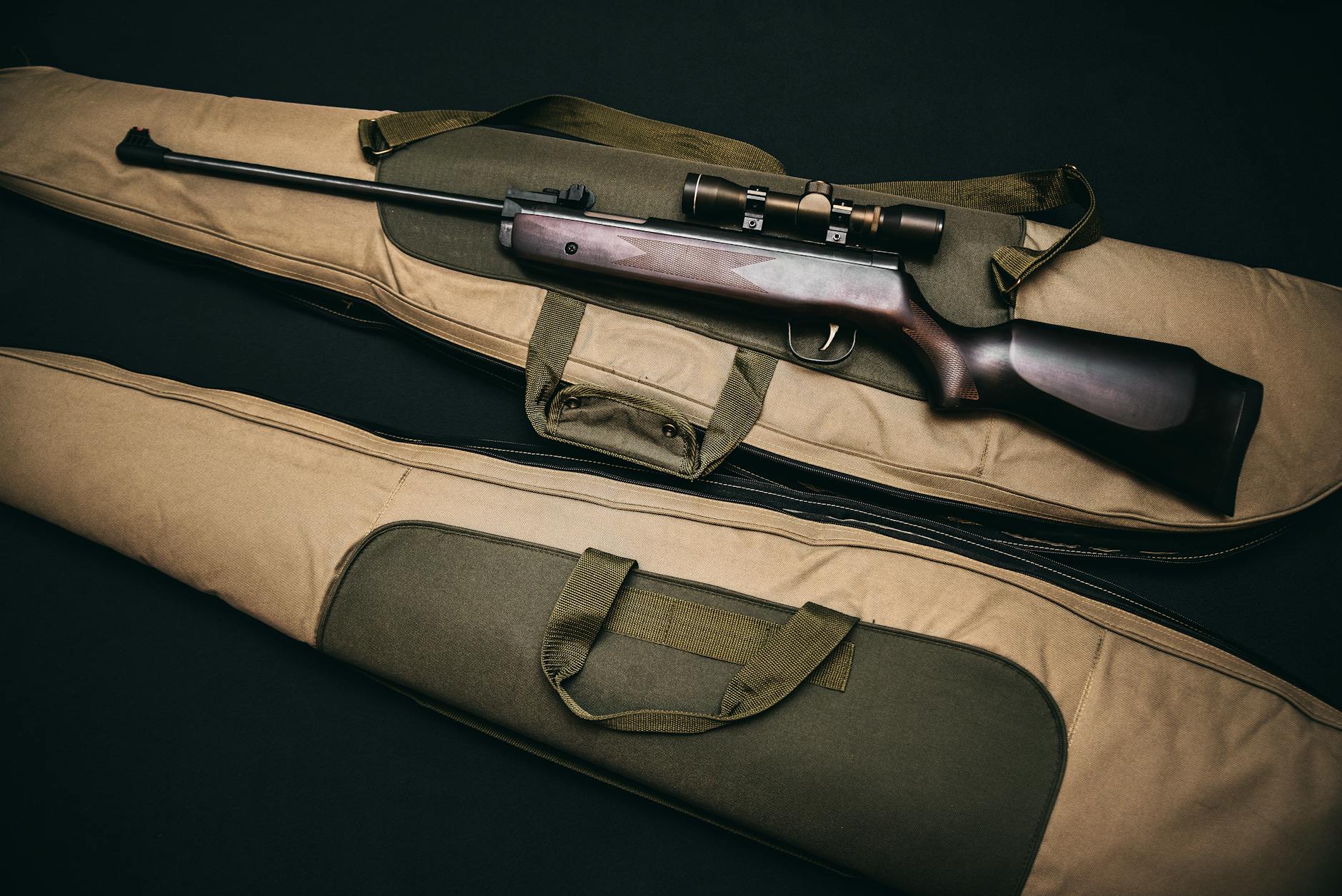
Preparing for hunting season requires careful consideration of your gear. A well-prepared hunter is more likely to have a successful and safe experience. Let's break down the essential items you'll need:
A. Hunting Weapons and Ammunition
-
Choose the appropriate weapon for your target game
-
Ensure your firearm or bow is properly sighted and in good condition
-
Pack enough ammunition or arrows for your trip
B. Proper Clothing for Various Weather Conditions
| Layer | Purpose | Examples |
|---|---|---|
| Base | Moisture-wicking | Thermal underwear, synthetic t-shirts |
| Insulating | Warmth | Fleece jackets, wool sweaters |
| Outer | Weather protection | Waterproof jacket, camouflage pants |
-
Don't forget accessories like gloves, hats, and warm socks
C. Safety Equipment
-
Blaze orange vest and hat for visibility
-
First aid kit with essentials like:
-
Bandages
-
Antiseptic wipes
-
Pain relievers
-
Emergency blanket
-
-
Flashlight or headlamp with extra batteries
-
Compass or GPS device
D. Field Dressing Tools
-
Sharp hunting knife
-
Bone saw
-
Latex gloves
-
Game bags
-
Rope for hanging and dragging
Remember to test all your gear before heading out to ensure everything is in working order. With these essentials packed, you'll be well-prepared for a successful hunt. Next, we'll explore the importance of scouting your hunting area to maximize your chances of success.

Scouting Your Hunting Area
Now that you've gathered your essential gear, it's time to focus on scouting your hunting area. This crucial step can make or break your hunting experience.
Researching potential locations
Start by researching potential hunting locations. Use online resources, topographic maps, and local hunting forums to identify promising areas. Consider factors such as:
-
Terrain type
-
Wildlife population density
-
Accessibility
-
Hunting regulations
Understanding animal patterns and habits
Once you've narrowed down your locations, study the patterns and habits of your target species. This knowledge will significantly improve your chances of success. Key factors to consider include:
| Factor | Importance |
|---|---|
| Feeding areas | High |
| Water sources | High |
| Bedding areas | Medium |
| Travel routes | Medium |
Setting up trail cameras
Trail cameras are invaluable tools for scouting. They provide 24/7 surveillance of your hunting area, allowing you to:
-
Identify the presence of target species
-
Observe animal behavior patterns
-
Estimate population size and quality
Creating maps and marking key spots
Finally, create detailed maps of your hunting area and mark key spots. This will help you:
-
Navigate efficiently during your hunt
-
Remember important locations
-
Plan your hunting strategy effectively
Consider using GPS devices or smartphone apps to enhance your mapping accuracy and ease of use in the field.

Physical Preparation
Now that you've got your gear and scouted your hunting area, it's time to focus on your physical readiness. Proper physical preparation is crucial for a successful and enjoyable hunting experience.
Building endurance for long treks
Long-distance hiking and carrying heavy gear require significant endurance. To build stamina:
-
Start with short hikes and gradually increase distance and difficulty
-
Incorporate cardio exercises like running, cycling, or swimming into your routine
-
Practice hiking with a weighted backpack to simulate hunting conditions
Strength training for carrying gear
Hunting often involves carrying heavy equipment over challenging terrain. Focus on exercises that target key muscle groups:
| Exercise | Muscle Groups | Benefits |
|---|---|---|
| Squats | Legs, Core | Improved stability and leg strength |
| Deadlifts | Back, Legs | Better posture and lifting capacity |
| Lunges | Legs, Glutes | Enhanced balance and leg endurance |
| Push-ups | Chest, Arms | Upper body strength for gear handling |
Improving shooting accuracy
Accuracy is crucial for ethical and successful hunting. To enhance your marksmanship:
-
Practice regularly at a shooting range
-
Focus on proper breathing techniques
-
Work on maintaining a stable shooting position
-
Use dry-fire exercises to improve trigger control
Practicing wilderness survival skills
Being prepared for unexpected situations is essential. Hone these vital skills:
-
Fire starting without matches
-
Basic first aid
-
Navigation using map and compass
-
Identifying edible plants
-
Building emergency shelters
By focusing on these physical preparation aspects, you'll be better equipped to handle the challenges of hunting season. Next, we'll explore the legal requirements and paperwork necessary for a lawful hunting experience.

Legal Requirements and Paperwork
Before embarking on your hunting adventure, it's crucial to ensure you're in compliance with all legal requirements. This not only keeps you on the right side of the law but also contributes to sustainable wildlife management.
A. Obtaining necessary licenses and permits
To legally hunt, you'll need to secure the appropriate licenses and permits. These vary depending on your location and the type of game you're pursuing. Here's a general breakdown:
-
Hunting license (usually state-specific)
-
Species-specific tags or stamps
-
Federal Duck Stamp (for waterfowl hunting)
-
Special area permits (for certain wildlife management areas)
Click here for WI DNR
Click here for MI DNR
B. Understanding local hunting regulations
Familiarize yourself with local hunting regulations, which may include:
-
Hunting seasons and hours
-
Bag limits
-
Allowed hunting methods and equipment
-
Restricted areas
-
Tagging and reporting requirements
C. Joining a hunting club or association
Consider joining a hunting club or association for several benefits:
-
Access to private hunting grounds
-
Networking with experienced hunters
-
Up-to-date information on regulations
-
Group discounts on gear and services
-
Conservation and habitat improvement opportunities
Now that you're aware of the legal aspects, let's move on to planning your hunting strategy for a successful season.

Planning Your Hunting Strategy
Choosing the right hunting method
When planning your hunting strategy, selecting the appropriate method is crucial. Consider factors such as:
-
Target species
-
Terrain
-
Local regulations
-
Personal skill level
| Hunting Method | Pros | Cons |
|---|---|---|
| Still hunting | Quiet, adaptable | Requires patience |
| Spot and stalk | Exciting, active | Physically demanding |
| Tree stand | Excellent vantage point | Limited mobility |
| Ground blind | Concealment, comfort | Setup time required |
Selecting appropriate calls and decoys
• Choose calls that mimic your target species
• Practice calling techniques before the hunt
• Select decoys based on season and local wildlife patterns
• Consider using electronic calls where legal
Developing a scent control plan
-
Use scent-blocking clothing and detergents
-
Store hunting gear in scent-free containers
-
Avoid strong-smelling foods before and during the hunt
-
Use scent elimination sprays on gear and clothing
Creating a communication plan with hunting partners
• Establish hand signals for silent communication
• Agree on meeting points and times
• Use two-way radios or GPS devices for emergencies
• Share detailed plans with a non-hunting contact
Preparing backup plans for various scenarios
Develop contingency plans for:
-
Unexpected weather changes
-
Equipment failure
-
Getting lost or separated from the group
-
Medical emergencies
With a well-thought-out hunting strategy, you'll be better prepared to adapt to changing conditions and increase your chances of a successful hunt. Next, we'll explore the essential food and provisions to pack for your hunting trip.

Food and Provisions
When preparing for hunting season, proper nutrition and safety precautions are crucial. Let's explore the essential aspects of food, provisions, and safety gear you'll need for a successful hunt.
A. Planning meals and snacks for energy
To maintain your energy levels throughout the hunt, pack nutrient-dense, easily portable foods:
-
High-protein options: jerky, nuts, protein bars
-
Complex carbohydrates: trail mix, dried fruits, whole grain crackers
-
Quick energy sources: energy gels, chocolate
| Meal Type | Examples |
|---|---|
| Breakfast | Instant oatmeal, protein powder |
| Lunch | Tuna packets, peanut butter sandwiches |
| Dinner | Freeze-dried meals, canned soups |
B. Packing a first-aid kit
A well-stocked first-aid kit is essential for addressing minor injuries and emergencies:
-
Bandages and gauze
-
Antiseptic wipes
-
Pain relievers
-
Antihistamines
-
Tweezers and scissors
-
Emergency blanket
C. Bringing clean water and purification methods
Staying hydrated is crucial, but carrying enough water can be challenging. Consider these options:
-
Bring a water filtration system or purification tablets
-
Pack collapsible water containers
-
Use a hydration bladder for easy access while moving
Remember to check water sources near your hunting area beforehand. With these food and safety provisions in place, you'll be well-prepared for your hunting expedition. Next, we'll discuss transportation and logistics to ensure a smooth journey to and from your hunting grounds.
Transportation and Logistics
When preparing for hunting season, transportation and logistics play a crucial role in ensuring a successful and enjoyable experience. Let's explore the key aspects of this important preparation phase.
A. Preparing your vehicle for rough terrain
Before embarking on your hunting trip, it's essential to ensure your vehicle is ready for the challenges of rough terrain. Consider the following checklist:
-
Check and replace fluids (oil, coolant, brake fluid)
-
Inspect and replace worn tires
-
Test the battery and replace if necessary
-
Verify the functionality of your 4-wheel drive system
-
Pack a basic tool kit and spare parts
B. Organizing gear for easy access
Efficient organization of your hunting gear can make a significant difference in your overall experience. Here's a table showcasing essential gear categories and recommended storage solutions:
| Gear Category | Storage Solution |
|---|---|
| Firearms and ammunition | Lockable gun case |
| Clothing and boots | Duffel bag or backpack |
| Optics and electronics | Padded, waterproof case |
| Field dressing tools | Roll-up kit or toolbox |
| Emergency supplies | Easily accessible container |
C. Planning your route to the hunting grounds
Proper route planning is crucial for a safe and efficient journey to your hunting location. Consider these steps:
-
Study topographic maps and satellite imagery of the area
-
Mark potential obstacles or difficult terrain on your map
-
Identify alternative routes in case of unexpected closures
-
Plan fuel stops and rest areas along the way
-
Share your route plan with a trusted contact for safety
By focusing on these transportation and logistics aspects, you'll be well-prepared for your hunting adventure. With your vehicle ready, gear organized, and route planned, you can confidently set out to your chosen hunting grounds.
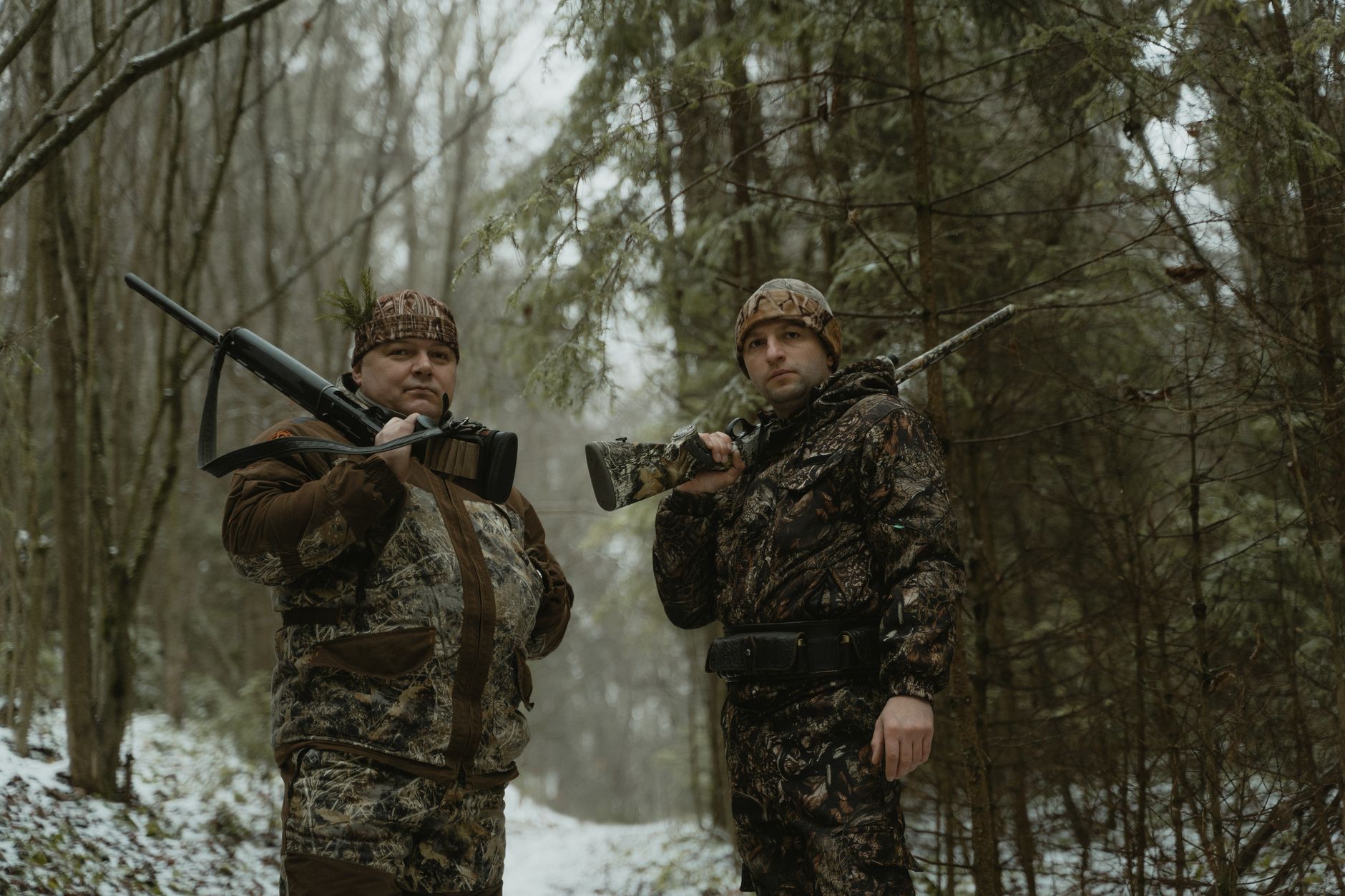
As you gear up for the upcoming hunting season, remember that thorough preparation is key to a successful and enjoyable experience. From assembling your essential gear and scouting your hunting area to ensuring you're physically fit and legally compliant, every step contributes to a safe and rewarding hunt. Don't forget to plan your strategy, pack appropriate food and provisions, and organize your transportation and logistics in advance.
By investing time and effort into these preparations, you'll set yourself up for a memorable hunting season. Whether you're a seasoned hunter or heading out for the first time, staying organized and well-prepared will allow you to focus on the thrill of the hunt and fully appreciate the great outdoors. So, gather your gear, finalize your plans, and get ready for an exciting adventure in nature.